
 Prospecting and Intros
Stand out and improve response rates.
 Sales
SalesGenerate more pipeline and close more deals.
 Sales Support
Set your sales team up for success.
 Marketing
Host video content and convert viewers into leads.
 Converting and Closing
Connect with buyers and close more deals.
 Corporate Comms
Create and deliver an internal communications strategy.
See Vidyard in Action →
“Personalized Vidyard video messages drove an 8x improvement in click-through rates and a 4x improvement in reply rates.” Read More
 Blog
BlogThe secrets to virtual selling and video best practices.
 Video Agent Hub
Case studies and how-to videos for every revenue use case.
 Knowledge Base
How-to and help articles for all things Vidyard.
 Fast Forward
Expert advice on all things virtual selling.
 Templates
Free sales templates for every stage of the deal cycle.
 FAQ
FAQGet the answers to your top Vidyard questions.
 AI Resource Hub
Guides and ideas for using AI in your workflow.
 Case Studies
Learn how our customers win more with Vidyard.







Words to Avoid in Sales: A Quick Guide to Improving Your Sales Language
Jul 11, 2023
·
5 min read

May Luk
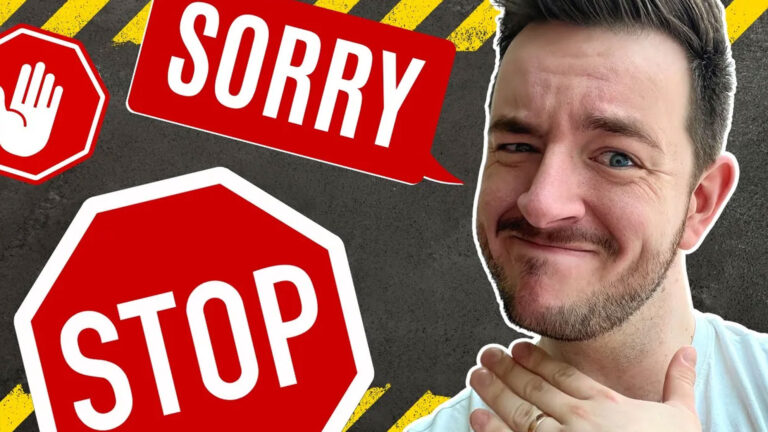
“Does that make sense?” “Are you the decision maker?” “Thoughts?” These are just a few of the most common sales words and phrases that should be ditched in sales conversations.
Words have the power to make or break a sales conversation. A single word can make your prospects feel comfortable or uncomfortable, engaged or disengaged, interested or uninterested. To make your sales conversation more impactful and persuasive, it’s important to avoid using certain words that can trigger negative reactions in your prospects.
We’re going to be discussing those sales buzzy words and phrases that you should avoid using in sales conversations and suggest alternative phrases that can help you communicate more effectively—and avoid eye rolls from your prospects.
Table of Contents
17 Things to Quit Saying in Sales Conversations
We’ve got the full roundup below of words for you to avoid saying in your next sales conversation, but don’t fret—we counter each with alternatives for you to try instead.
Rather watch than read? Get the rapid-fire list of sales words to avoid.

1. Price
Instead, say, “investment.”
The word “price” is often associated with cost and can make your product or service sound like a burden to your prospects. Instead, try using the word “investment” to emphasize your product or service’s potential benefits and returns.
2. Are You the Decision Maker?
Instead, say, “Who’s gonna feel left out if we don’t include them in this discussion?”
Asking if someone is the decision maker can come across as rude and closed-ended. Instead, try phrasing the question to show your interest in including all relevant parties in the discussion.
3. Does That Make Sense?
Instead, say, “How does that sound?”
The phrase, “Does that make sense?” can be interpreted as an insult to your prospect’s intelligence. Asking, “How does that sound?” is an open-ended question that invites feedback and interaction.
4. Discount
Instead, say, “adjustment.”
The word “discount” can make your product or service sound cheap, like a discount store item. In your next sales conversation Instead, try using the word “adjustment” to make your offer sound more formal and professional.
5. Sign
Instead, say, “action.”
Throwing around the word “sign” in a sales conversation can trigger a fear of commitment in your prospects and make them feel uneasy. Instead, try using the word “action” to emphasize the positive outcome of your proposal.
6. Contract
Instead, say, “agreement.”
“Contract” is another word that can make prospects feel like they’re being tied down and can put them off. Instead, try using the word “agreement,” which is less formal and more gentle.
7. I’d Love to…
Instead, say, “It may be helpful to you.”
Using the phrase “I’d love to…” can make your intentions seem self-serving. Instead, try focusing on your product or service’s benefits to your prospects.
8. Sorry
Instead, say, “Thanks.”
“Sorry” to our Canadian readers, but apologizing too often makes you sound insincere. Instead, try saying “thanks” to show gratitude and appreciation.

9. Saves You Time and Money!
Instead, say, “Solve [a specific challenge].”
The phrase “saves you time and money” has become overused and meaningless in sales pitches. Instead, try focusing on specific challenges that your product or service can help solve.
10. How Are You?
Instead, ask them something unique to them.
The phrase “How are you?” is overused and can come across as insincere or a bit lazy. Instead, try asking questions that are unique to your prospects and show genuine interest in them.
11. Touch Base, Checking In, Following Up, Circling Back, Thoughts?
We lumped all these ones together as they’re all the same kind of meaningless bumps and way overused.
Instead, try, “I know you were trying to accomplish [whatever is relevant to them], is that still a priority?”
In the instance of a stalled deal where perhaps you’re being ghosted and want to follow up, use words that tie back to their original goals. Or you could try offering a piece of content or another asset to make their job easier to try and get the conversation going again.
Try a different prospecting tactic or channel to see if you can connect that way in the context of a cold call or outreach follow-up.
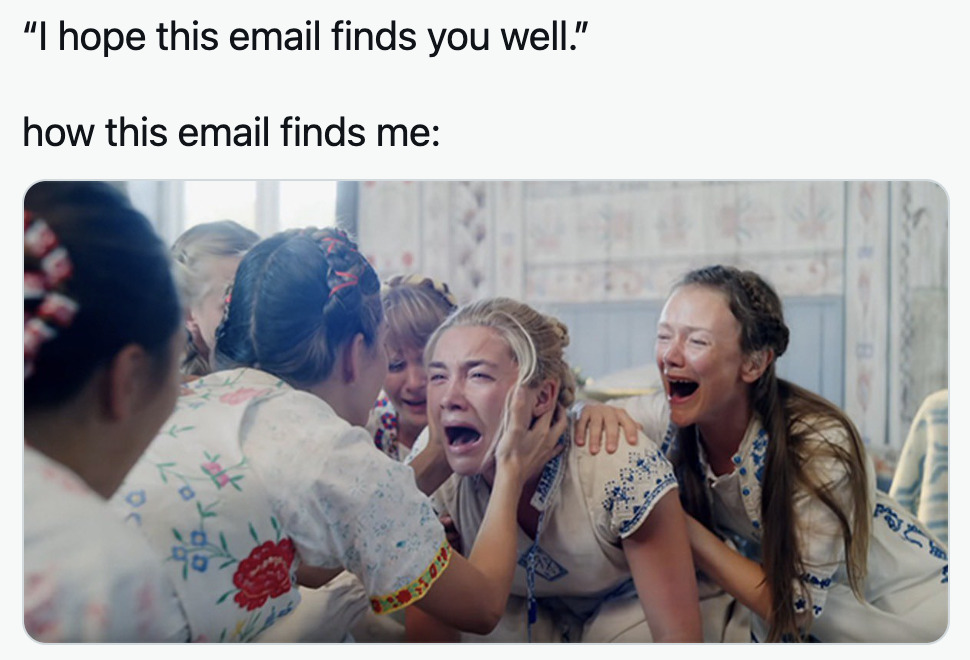
12. I Hope This Finds You Well
Instead, say, “I wanted to see how things are going.”
This is another example of a phrase used so frequently that it’s lost meaning. If you really want to know how someone is doing, ask them in a more specific way. Perhaps you can inquire about a project they’re working on or something personal.
13. Do You Have Any Questions?
Instead, say, “What would you like to know?”
Again, this is a close-ended question that makes it seem like you’re trying to wrap up the conversation. By asking, “What would you like to know?” you’re giving the other person the opportunity to steer the conversation in a direction that’s important to them.
14. Just
Instead, say, “Only.”
The word “just” can make it seem like what you’re proposing is small or insignificant. It’s also another filler word, so “just” try removing it from your vocab. It’s a confidence thing, and it will show.
15. I Understand
Instead, say, “I hear you.”
This is another sales phrase that can make it seem like you’re trying to wrap up the conversation or that you’re not fully engaged. By saying, “I hear you,” you’re showing that you’re actively listening and engaging with the person.
16. I’m Sure You’re Busy
Instead, say, “I appreciate your time.”
This is another phrase that can make it seem like you’re trying to wrap up the conversation or that you don’t value the other person’s time. By saying, “I appreciate your time,” you’re showing that you value the other person’s time and are grateful for the opportunity to talk.
17. Guaranteed
Instead, say, “We have a track record of delivering results.”
The word “guaranteed” can make it seem like you’re making promises that you can’t keep. By saying, “We have a track record of delivering results,” you’re highlighting the results that you have delivered in the past and the confidence you have in your ability to deliver results in the future.
Sales Word Choice Matters
We know your words and phrases in sales conversations can greatly impact the outcome. By avoiding these 17 words and common sales phrases and using more specific, engaging language, you’ll be able to build better relationships and close more deals.
We didn’t start the fire…We need to ditch the buzzwords! Sorry, but this banger will be stuck in your head for the rest of the day.

If you’re looking for more conversation tips, review our post on handling the most common sales objections.