
 Prospecting and Intros
Stand out and improve response rates.
 Sales
SalesGenerate more pipeline and close more deals.
 Sales Support
Set your sales team up for success.
 Marketing
Host video content and convert viewers into leads.
 Converting and Closing
Connect with buyers and close more deals.
 Corporate Comms
Create and deliver an internal communications strategy.
See Vidyard in Action →
“Personalized Vidyard video messages drove an 8x improvement in click-through rates and a 4x improvement in reply rates.” Read More
 Blog
BlogThe secrets to virtual selling and video best practices.
 Video Agent Hub
Case studies and how-to videos for every revenue use case.
 Help Center
How-to and help articles for all things Vidyard.
 Fast Forward
Expert advice on all things virtual selling.
 Templates
Free sales templates for every stage of the deal cycle.
 FAQ
FAQGet the answers to your top Vidyard questions.
 AI Resource Hub
Guides and ideas for using AI in your workflow.
 Case Studies
Learn how our customers win more with Vidyard.
 Live Workshop Series
Showing you exactly how to put video to work.







Video for Lead Generation: A Practical B2B Strategy Guide
Nov 26, 2025
·
6 mins

V-Bot
Learn to use video for lead generation to capture qualified B2B leads. Find strategies for each funnel stage, automation tips, and sales personalization tactics.
Inboxes are noisy, often crowded with generic outreach, vague promises, and solutions looking for a problem. Cutting through that noise to find and connect with genuinely interested prospects is a constant challenge. While video cuts through, many organizations still struggle to connect it to core business objectives, such as demand generation and creating a pipeline of qualified new leads.
This article breaks down video for lead generation, explaining how to implement a strategic video framework. This guide will also show you how to use Vidyard to turn videos into booked meetings and a measurable pipeline.
Key takeaways
- Map video content to the buyer’s journey. A successful video strategy requires more than just creating content; it involves deploying different types of videos at specific stages of the sales funnel. Use broad, educational videos (such as webinars) at the top to capture attention, detailed product demos and case studies in the middle to build trust, and highly personalized one-on-one videos at the bottom to convert leads into customers.
- Empower your sales team with authentic, personal video. While marketing produces polished brand videos, some of the most effective lead generation happens when sales reps create their own short, authentic videos. Sending a personal video message humanizes the sales process, cuts through the noise of a crowded inbox, and is highly effective for building the trust needed to secure a reply or a meeting.
- Integrate and automate video to engage leads in real-time. The most effective video programs connect their video platform with their CRM and marketing automation tools. This enables a trigger-based approach, where a prospect’s behavior (e.g., visiting a pricing page or watching 75% of a demo) automatically initiates a relevant and timely video follow-up, engaging them at their moment of peak interest.
- Strategically balance AI-generated and human-recorded videos. Resolve the “personalization paradox” by using AI-powered video for tasks that require scale, such as initial cold outreach to a large list. Reserve authentic, human-recorded videos for high-impact moments that require genuine connection, like following up with a key stakeholder or re-engaging a high-value stalled deal.
What is video lead generation?
Video lead generation is the strategic use of video content to capture a potential customer’s interest and contact information, ultimately converting that interest into meetings and opportunities.
The goal is to guide a viewer through the buyer’s journey, using video to educate, build trust, and ultimately encourage them to take a specific next step, such as signing up for a webinar, booking a demo, or downloading a technical resource.
This process typically involves three key components:
- Valuable video content: The video must offer genuine insight, solve a problem, or provide a unique perspective that the viewer can’t easily find elsewhere.
- A clear Call-to-Action (CTA): The viewer must be explicitly told what to do next, whether that’s clicking a link, filling out a form, or replying to an email.
- A capture mechanism: A tool must be in place to collect the lead’s information, such as an in-video form, a form on a landing page, or a direct reply to a personalized outreach video.
Why video works for lead generation
Using video is a powerful way to generate leads for several key reasons.
Benefit 1: Builds trust and authenticity
Video puts a face to a name, humanizing your brand and fostering a genuine connection that text-based communication often lacks. Testimonial videos featuring real customers or behind-the-scenes content can significantly enhance credibility, as shown in many video marketing success stories. When a prospect sees and hears a person, it creates a personal connection that helps break down the natural skepticism toward sales and marketing messages.
Benefit 2: Clarity beats copy
Technical products and services are best explained visually. Explainer videos and product demos are highly effective because they can visually break down complex concepts, showcase functionality, and demonstrate value in a way that is easy to digest. It enables prospects to self-qualify and progress through the consideration phase more efficiently.
Benefit 3: Actionable engagement and conversion
Video is an inherently engaging medium. When used in marketing and sales, it consistently outperforms other content types in driving action. You can track who watched, how long they watched, and what they saw, and then automatically trigger the next best action in the CRM.
For instance, including video in outreach emails can increase open rates and lead to a remarkable 26% increase in replies. On landing pages, embedding a video can increase conversion rates, and using video in proposals has been shown to increase close rates by up to 41%.
Strategic framework to map video to the lead generation funnel
To effectively generate leads, video content must be tailored to the prospect’s stage in the buyer’s journey. A video that works for initial awareness will likely fail to convert a lead who is ready to make a decision.
Top of funnel (TOFU): Capturing attention and generating initial leads
The goal at this stage is to attract a broad audience and raise awareness of a problem or a new type of solution. The content should be educational and valuable, rather than overly sales-oriented.
- Video types: Short-form social media videos, such as those for platforms like LinkedIn or TikTok, can capture attention. Gated webinars and live streams establish thought leadership, while explainer videos and brand story videos introduce your company’s mission and values.
- Lead generation tactics: The most common tactic here is “gating” high-value content. To access a webinar, in-depth tutorial, or video series, viewers must provide their contact information by completing a form on the landing page. Around 80% of B2B content is gated for this reason. You can also use YouTube end screens and cards to direct viewers to your website or a landing page.
Middle of funnel (MOFU): Nurturing and qualifying leads
Prospects in the middle of the funnel are aware of their problem and are actively evaluating solutions. The goal here is to build on the initial trust and provide more detailed, solution-oriented content.
- Video Types: This is the ideal stage for detailed product demos that showcase specific features and benefits. Video case studies and customer testimonials are powerful forms of social proof that build credibility. FAQ videos can proactively address common questions and objections.
- Lead Generation Tactics: At this stage, leads are often nurtured through email marketing campaigns. You can send targeted videos based on a lead’s behavior or firmographic data. Interactive videos, which allow viewers to choose their own path or click on in-video elements, can provide a more personalized experience and generate richer engagement data.
Bottom of funnel (BOFU): Converting leads into opportunities
At the bottom of the funnel, prospects are close to making a decision. Video can provide the final push needed to convert them into a sales opportunity.
- Video Types: Highly personalized one-on-one videos are extremely effective in this context. A sales representative can record a short video to answer a specific question, walk through a proposal, or follow up after a meeting. These don’t need high production value; their authenticity is what makes them effective.
- Lead Generation Tactics: The “lead” at this stage is a direct response or a booked meeting. The call-to-action in the video might be to “reply to this email” or “click here to book a time on my calendar.” Integrating video view data with your CRM can alert sales reps the moment a key stakeholder watches a proposal video, enabling perfectly timed follow-up.
Shifting video from the studio to the sales floor
While polished, high-production marketing videos, such as webinars and brand stories, are essential for top-of-funnel attraction, a successful lead generation strategy must also empower the sales team directly. For video prospecting and deal acceleration, authenticity often trumps cinematic perfection. This is where shifting video creation from the marketing studio to the sales floor becomes a competitive advantage.
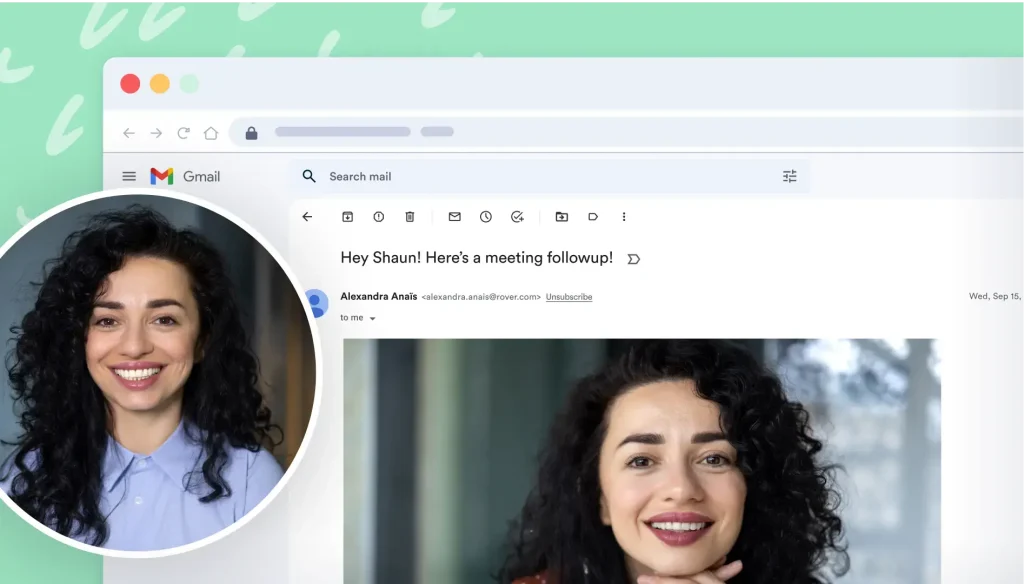
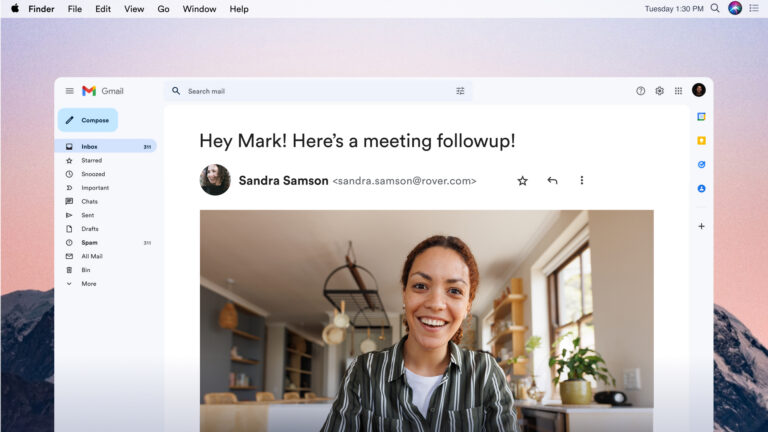
When a sales representative sends a personal video, they are doing more than just delivering a message; they are humanizing the entire sales process. In a world of automated cold email sequences and generic LinkedIn messages, a personal video stands out. It allows a prospect to see the person behind the email, hear the sincerity in their voice, and build a foundational layer of trust before a formal meeting ever takes place. This simple act of putting a face on camera can be the single most effective way to break through the noise of a crowded inbox and earn a reply.
For sales reps getting started, a tactical mini-playbook can dramatically improve results:
- Signal personalization immediately: Don’t make the viewer guess if the video is just for them. Start by holding up a small whiteboard with their name or company logo on it. This visual cue in the thumbnail proves the video is bespoke and massively increases the click-to-play rate.
- Keep it concise and focused: Personal outreach videos are not the place for long product demos. Keep them under 60 seconds. The goal is to make one point clearly, whether it’s referencing a prospect’s recent LinkedIn post, answering a specific question, or confirming next steps after a call.
- Drive to a single Video Call-to-Action (CTA): End every video with a clear, simple next step. Avoid ambiguity. Instead of “Let me know what you think,” use a direct CTA like, “Reply to this email with a ‘yes’ if you’re open to a 15-minute chat next week,” or “Click the link below to see my calendar.”
The next wave of video nurturing
Modern buying isn’t linear. Prospects jump between stages, revisit old content, and engage on their own terms. The next wave of video lead generation moves beyond this static model toward a more dynamic system based on real-time buyer signals and automated triggers. Instead of pushing all leads down the same pre-defined path, this approach uses a prospect’s behavior to trigger an immediate, contextually relevant video follow-up.
This “always-on” nurturing system ensures you engage leads at the moment of peak interest, dramatically increasing the chances of keeping the conversation moving forward. Imagine a workflow where your marketing automation and CRM are integrated with your video platform to enable scenarios like this:
- This trigger-based model transforms video from a static asset into an active agent in your video sales process. It allows sales teams to focus their manual efforts on the highest-intent leads: those who are actively engaging with video content. At the same time, the automated system handles the crucial task of nurturing and qualifying the rest of the pipeline without manual intervention.
This trigger-based model transforms video from a static asset into an active agent in your video sales process. It allows sales teams to focus their manual efforts on the highest-intent leads: those who are actively engaging with video content, while the automated system handles the crucial task of nurturing and qualifying the rest of the pipeline without manual intervention.
Building a unified video engine to create a pipeline
One of the most common failure points in any lead generation strategy is the silo between marketing and sales. Marketing creates content, sales uses what it can, and valuable insights are lost in the gap between them. A truly effective video program positions video as the connective tissue that unifies these two teams into a single revenue engine.
The key is for marketing to evolve from a content factory into an armory, supplying the sales team with a central, on-brand library of video “Lego bricks.” This library shouldn’t just contain long-form webinars; it should be stocked with micro-content designed for sales outreach:
- 30-second micro-demos showcasing a single, powerful feature.
- 60-second video testimonials from happy customers.
- 45-second FAQ clips featuring a product expert addressing a common customer objection.
- Short explainer videos that simplify a complex technical concept.
With access to these pre-approved sales prospecting templates and video assets, sales reps can quickly assemble and personalize their outreach. They can grab a testimonial video that perfectly matches a prospect’s industry or attach a micro-demo that addresses a pain point mentioned on a discovery call.
This collaboration is a two-way street. As the sales team uses this video content in their daily outreach, they generate invaluable, real-world data. By analyzing which videos get watched, which messages earn replies, and what questions prospects ask, Marketing gains direct insight into what truly resonates with buyers. This feedback loop enables them to stop guessing and start creating content that has been proven to advance deals. To measure the true ROI of this collaborative program, teams should establish shared metrics beyond MQLs or deal count, such as “video-influenced pipeline” or “engagement score,” ensuring both teams are aligned on the ultimate goal of generating revenue.
Scaling and automating your program
Creating unique videos for every stage of the funnel may seem daunting, but modern tools and workflows make it possible to scale these efforts efficiently. The key is moving from manual, one-off tasks to an integrated, automated system.
The power of integration
Your video strategy shouldn’t exist in a silo. The most effective programs integrate their video platform directly with their core sales and marketing systems, such as a CRM (e.g., HubSpot) or an automation platform (e.g., Zapier). This integration enables a seamless flow of data. For example, when someone watches 75% of a product demo, the engagement data can be automatically logged in their contact record, a key part of lead scoring, and can trigger a notification for the sales team.
Building automated workflows
Marketing automation tools allow you to build workflows that deliver the right video to the right person at the right time. A workflow is a set of rules that automates marketing tasks. For instance:
- Trigger: A prospect downloads a whitepaper on a specific topic.
- Action: The system automatically sends a follow-up email 24 hours later containing a video case study related to that same topic.
- Next Step: If the prospect clicks to watch the video, they are added to a “high-intent” list for personal sales outreach.
The rise of AI in video creation
Artificial intelligence is further transforming the ability to personalize video at scale. AI-powered tools can now:
- Automate video creation: Generate videos from text scripts, blog posts, or product descriptions, complete with visuals and AI-generated voiceovers. This dramatically reduces production time and cost.
- Enable hyper-personalization: Automatically create thousands of video variations where elements like the viewer’s name, company logo, or website screenshot are dynamically inserted into the video. This allows for personalized outreach on a massive scale, something previously impossible with traditional methods.
Scaling human connection with AI
The rise of AI in video introduces a modern strategic dilemma for sales and marketing leaders: the personalization paradox. On one hand, an authentic, human connection is the key to standing out and building trust. On the other hand, the pressure to hit quota and expand reach demands a level of scale that manual personalization cannot achieve. Resolving this tension is not about choosing one over the other, but about creating a strategic framework for when to use human authenticity and when to deploy AI-driven efficiency.
Think of it as a tiered approach to your video marketing strategy:
- When to use authentic, human-recorded video: Reserve genuine, self-recorded videos for moments of high impact and high value. This is the right choice for targeting top-tier accounts, sending a post-demo follow-up to key stakeholders, or re-engaging a high-value stalled deal. In these scenarios, the warmth, sincerity, and subtle imperfections of a real person on camera are your greatest assets. The goal is pure relationship-building.
- When to use AI-generated video: Use AI-powered video for tasks that require scale and consistency. This includes initial cold outreach to an extensive list of prospects, where an AI-generated video personalized with their name and company can break the ice. It’s also ideal for automated touchpoints, such as meeting reminders, content promotion at scale (e.g., converting a blog post into a video for social media), or as part of an automated nurturing workflow. Here, the goal is to deliver efficient information and maintain brand presence.
Handling this new environment also requires a commitment to ethical transparency. When using AI to generate a video featuring a digital avatar, it’s crucial to be upfront about it. The technology should be used to enhance communication and deliver value more efficiently, rather than deceiving a prospect into believing they’re interacting with a real person. The ultimate goal of any video, whether created by humans or AI, is to establish trust. Using AI thoughtfully enables you to scale your outreach while preserving your team’s most valuable resource: genuine human connection, for the moments that matter most.
Best practices for high-converting videos
Regardless of the technology used, the effectiveness of your video lead generation efforts ultimately depends on the quality of the content itself.
- Optimize for search engines (Video SEO): To ensure your videos are discoverable, conduct keyword research and incorporate relevant terms into your video titles, descriptions, and tags. Publishing a video transcript on the same page not only improves accessibility but also provides search engine crawlers, such as Google, with more text to index, thereby enhancing your SEO performance.
- Focus on a single, clear Call-to-Action (CTA): Every video should have one primary goal. Whether it’s to book a demo or download a guide, make the next step obvious and easy for the viewer to take.
- Embed wisely on a landing page: To capture a lead, embed your video on a dedicated landing page that includes a contact form. This keeps the viewer in a controlled environment, free from the distractions of a public video platform, and directly connects your video content to your lead gen mechanism.
- Create an engaging thumbnail: The thumbnail is often the deciding factor in whether someone clicks play. Use a clear, high-quality image that is relevant and intriguing. Including a person’s face or custom text can significantly improve click-through rates.
- Measure and analyze performance: Go beyond simple view counts. Track metrics like audience retention (drop-off points), click-through rates on your CTA, and conversion rate. This data provides invaluable insight into what resonates with your audience, allowing you to make data-driven decisions for continuous optimization.
The future of lead generation is visual and personal
As buyers become more discerning and inboxes become increasingly saturated, traditional lead generation methods are becoming less effective. Video offers a path to cut through the noise by building authentic connections and delivering value in a format that is both engaging and easy to consume.
But to drive the most impact from these efforts and stay ahead of trends, leveraging a platform to operationalize video lead generation efforts is critical. That’s where Vidyard comes in.
Vidyard gives revenue teams the tools to make video a repeatable, scalable part of their go-to-market motion by enabling teams to create, share, and track personalized video content.
By unifying video creation, distribution, and analytics in a single platform, Vidyard enables teams map different video types to the buyer’s journey, automate distribution through intelligent workflows, and deliver personalized video messages at scale, creating a powerful engine for generating high-quality leads and accelerating revenue growth through video.
FAQs
What are the biggest challenges of using video for lead generation?
The primary challenges include the time and resources required for high-quality video production, the difficulty in creating content that is valuable enough to “gate,” and the technical complexity of integrating video platforms with CRM and marketing automation systems to track ROI accurately.
How does video for lead generation differ from general video marketing?
Video marketing can have broad goals, including increasing brand awareness and entertaining the audience. Video for lead generation is more specific: its primary purpose is to capture a viewer’s contact information and convert them into a quantifiable lead for the sales or marketing funnel.
As a beginner, where should I start my lead generation from videos?
A great starting point is to create a simple, high-value tutorial or explainer video that addresses a common pain point for your target audience. Gate this video behind a form on a dedicated landing page and promote it to your existing audience to test its effectiveness before investing in more complex strategies. Another easy start is for sales reps to record short, personal introduction videos on their webcams for key prospects.