
 Video Messages
Record personal videos to reach more customers.
 Video Agent New
Automatically send personalized videos with agentic AI.
 Vidyard Hosting
Manage all your business videos in one central spot.
 Vidyard AI Avatars
Generate personalized AI videos at scale.
 Vidyard HubsSee All Features →
Curate and share your best videos in one branded page
 Prospecting and Intros
Stand out and improve response rates.
 Sales
SalesGenerate more pipeline and close more deals.
 Post-Sales
Keep customers engaged after the deal closes.
MarketingHost video content and convert viewers into leads.
 Converting and Closing
Connect with buyers and close more deals.
 Corporate Comms
Create and deliver an internal communications strategy.
See Vidyard in Action →
“Personalized Vidyard video messages drove an 8x improvement in click-through rates and a 4x improvement in reply rates.” Read More
 Blog
BlogThe secrets to virtual selling and video best practices.
Video Agent HubCase studies and how-to videos for every revenue use case.
 Help Center
How-to and help articles for all things Vidyard.
 Fast Forward
Expert advice on all things virtual selling.
 Use Cases
Explore real ways to use video across your business.
AI Resource HubGuides and ideas for using AI in your workflow.
 Case Studies
Learn how our customers win more with Vidyard.
 Live Workshop Series
Showing you exactly how to put video to work.




Same Vidyard, built for what’s next
Sep 14, 2026
·
2 min read

Vidyard
We've introduced a refreshed look for Vidyard, built around a product that continues to grow.
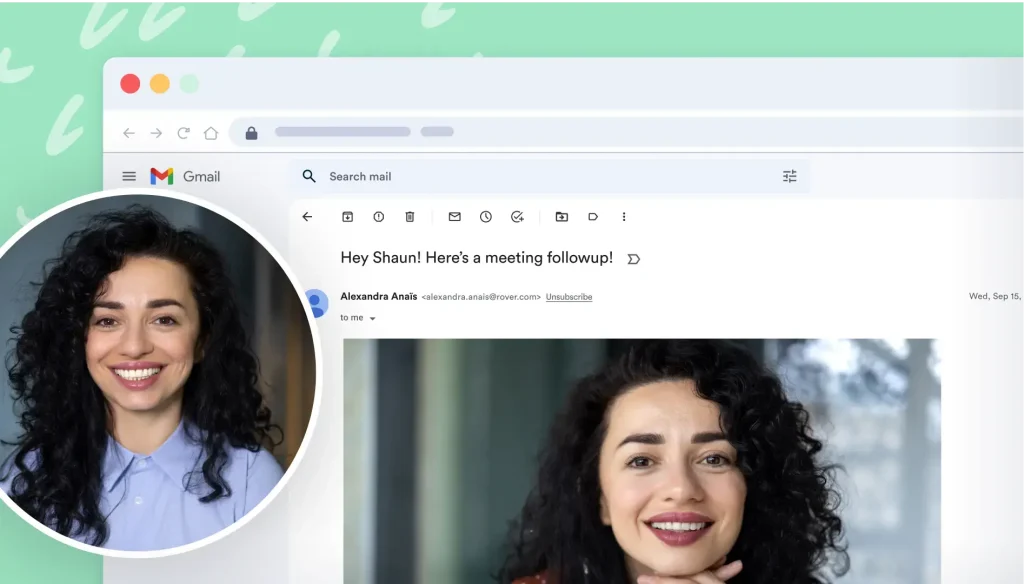
Revenue teams have always relied on video to make a human connection with customers and prospects. Whether that means a marketing brand awareness video, a quick personal video message to a single prospect or a walkthrough shared with an entire buying committee. Over the past year, the tools Vidyard gives teams to do that work have grown smarter, and the experience of creating, optimizing, and organizing video has improved right along with them.
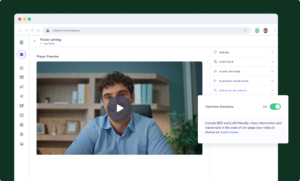
When you upload a video today, Vidyard can generate a title, write a description, and break the recording into chapters, so viewers can jump straight to the part that matters most to them. Video organization now reflects how teams actually manage growing video libraries. Video captions can be automatically generated and you can now add multiple audio tracks in different languages to a single video. And as a new era of AI search surges, you can automatically add metadata to your videos to help them get discovered.
Each of these improvements exists to remove friction rather than to change what video is for. A chapter marker that gets a viewer to the right moment faster, or metadata that helps a video be discoverable by AI search, is really in service of the same thing: making sure a video message actually reaches the person it was meant for, without extra steps standing in the way.
The platform expanded and the look followed
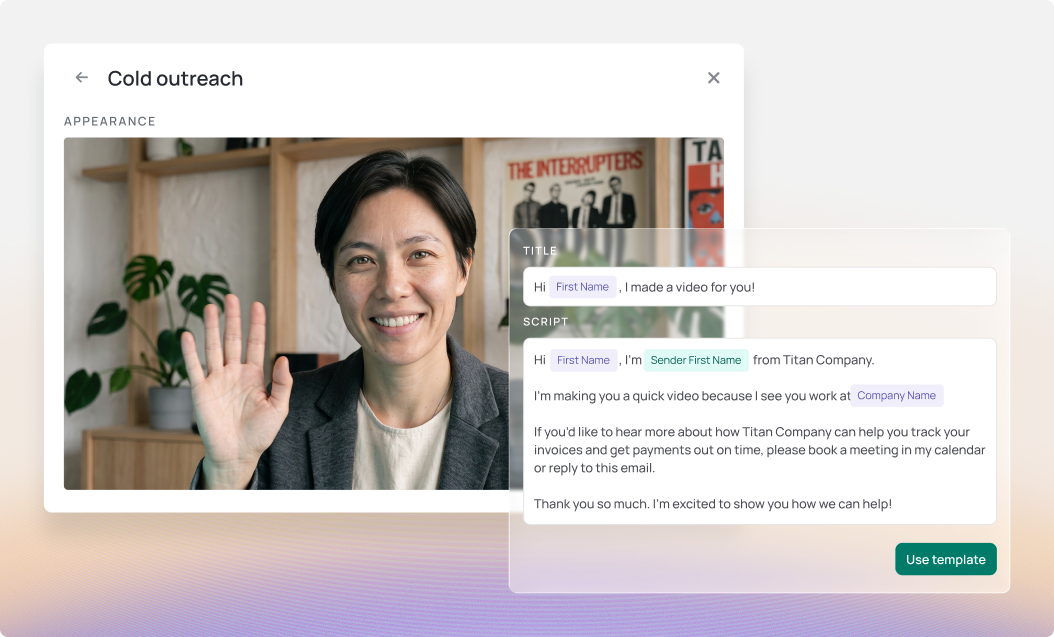
Over the past year, Vidyard has grown into a more powerful, AI-driven platform built to support revenue teams across the full range of customer moments, from a single personal video between a seller and prospect to automated video scaled across an entire team and woven through a customer journey.
As the product experience evolved, the identity around it hadn’t kept pace, and it started to feel a step behind what Vidyard could actually do. So we updated it with new colors and typography, giving the brand a more modern, cohesive feel across the product, website and everywhere else it shows up.
The constant through all of it
With new capabilities, a bigger platform, and a refreshed look, the belief driving all of it hasn’t moved. Video works because it lets one person communicate with another in a way that text and static content can’t, and every change described here is meant to protect that, never to replace it.
Vidyard started in 2010 as a team of two. Today, our team has grown to over 300 people and the product we’ve built is used by more than 12 million people to create and share video.
Growth at that scale doesn’t happen by standing still and that’s a big part of why the product looks so different today than it did even a year ago, and we expect that pace to continue.
The next stretch of Vidyard will bring more intelligence and insights built into the product and more ways to scale personalized, human video across a customer journey, all in service of the same idea that got us here.
See the new look for yourself, visit Vidyard.