
 Prospecting and Intros
Stand out and improve response rates.
 Sales
SalesGenerate more pipeline and close more deals.
 Sales Support
Set your sales team up for success.
 Marketing
Host video content and convert viewers into leads.
 Converting and Closing
Connect with buyers and close more deals.
 Corporate Comms
Create and deliver an internal communications strategy.
See Vidyard in Action →
“Personalized Vidyard video messages drove an 8x improvement in click-through rates and a 4x improvement in reply rates.” Read More
 Blog
BlogThe secrets to virtual selling and video best practices.
 Video Agent Hub
Case studies and how-to videos for every revenue use case.
 Knowledge Base
How-to and help articles for all things Vidyard.
 Fast Forward
Expert advice on all things virtual selling.
 Templates
Free sales templates for every stage of the deal cycle.
 FAQ
FAQGet the answers to your top Vidyard questions.
 AI Resource Hub
Guides and ideas for using AI in your workflow.
 Case Studies
Learn how our customers win more with Vidyard.






How to Create Killer Interview Videos: 8 Easy Steps and 5 Best Practices
Feb 10, 2021
·
7 min read

Rebecca Whitaker

Interview videos are a powerful way to show off expertise and engage your audience. Plus, they're easy to produce.
Recording an interview video may seem straightforward—we’re talking about a person in front of a camera right? But there’s actually a lot to consider if you want to avoid a boring look and feel. Paying attention to the content, set up, and recording process can take your interviews from boring to dynamic.
Table of Contents
What is an Interview Video?
You’ve seen them on the news, late-night talk shows, and documentary films. Interview videos usually focus on one person answering questions, usually on a specific theme.
This style of video is up close and personal, and the interviewee might be a subject matter expert or just someone with an opinion. Unscripted and authentic interview videos are a great way to lend a personal touch to a story or provide a point of view.
Benefits of Interview Videos
- Interview videos are authentic. Interviews are the best way to get information straight from the horse’s mouth. They offer an unscripted personal take or knowledge from an expert. There’s a reason why journalism relies on interviews so heavily, and that’s the truth.
- Interviews make for great storytelling. Would you rather hear about the moon landing from a historian, or Neil Armstrong himself? The small details and anecdotes from someone who actually lived it brings a story to life.
- Interviews provide an inside look. Some interviews allow access to people and information that might otherwise stay behind closed doors. Celebrities, CEO’s, notable people, interviews give access and an inside look.
- Interview videos are easy to produce. Interview videos have barebones set up requirements. The standard one angle set-up expedites both the shoot day and the editing process. You can shoot a decent interview video with nothing more than your smartphone, but ideally you’ll have a camera, tripod, and microphone.
- Interview footage is great for repurposing. Interview clips add authenticity and personality to your other types of videos. You can break the interview up into short clips to use on social media, or grab quotes for case studies. You might even find a nice clip to include in a company culture video or explainer.
Where to Use Interview Videos
Interview videos are versatile and can be used throughout your business and at various stages of the funnel. They tend to work best on the following channels to boost brand awareness, explain concepts, and attract leads with industry specific insight.
Website
Interview videos can be sprinkled throughout your website, in customer testimonial video hubs, on landing pages specific to the related product or event, or even the “About” section. Anywhere that an interview would help explain the information or tell the story that page is written to convey.
As engaging content, interview videos work great in email. Interviews with your CEO or industry leaders fit well in customer newsletters or internal emails to build and educate your community. Sales teams can also send interview videos featuring current customers to prospects.
Podcasts
Insert clips or full interviews into podcast episodes to support an episodic theme. This works whether yours is a standard audio podcast or a video podcast.
Social Media
Break the interview video into small segments to share on social media with a call to action pushing to your player or landing page where the longer version lives.
Types of Interview Videos
Talking Head Interviews
A talking head interview is a standard format in which a solo speaker is framed from the chest up. This gives complete focus to the speaker and what they have to say. You’ve seen talking head interviews in journalism and documentaries.
Choose a talking head interview if you want to communicate the truth. That could take the form of facts from an expert, or an authentic account of an event or experience.
With the interviewer off-camera, it’s common practice to ask the interviewee to repeat the question in their answer. For example, if the question is: “How long have you been working at Vidyard?”. The interviewee would answer, “I’ve been working at Vidyard for…” as opposed to stating, “Two years.”
Restating the question gives context to the question, and makes the interview much easier to edit together.
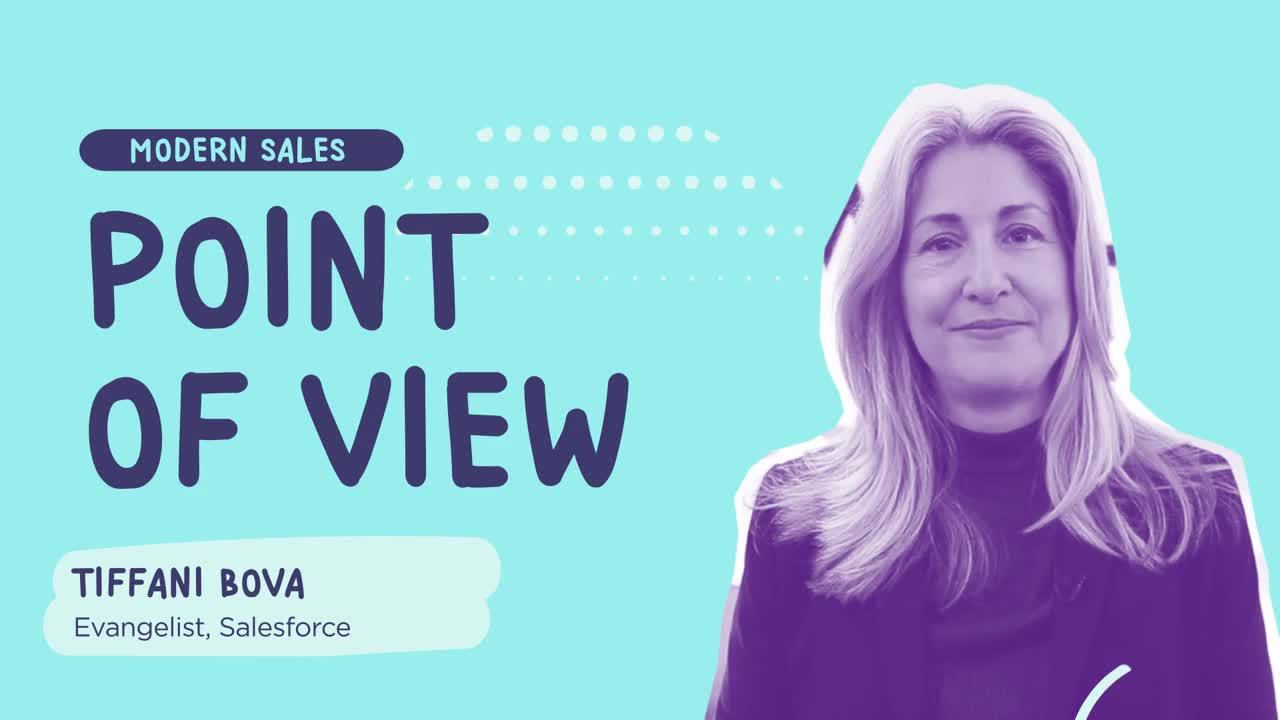
This talking head-style video features Salesforce evangelist Tiffani Bova answering questions as an expert on modern sales.
Conversational Interviews
Whether it’s a talk show format or an on-location interview, conversational interviews feature the host on camera. The real-time back and forth conversation style gives these interviews an authentic feel.
Vidyard uses this conversational style for our Fireside Chats—a series shot in an intimate Q&A style featuring industry leaders and subject matter experts. Here’s one where our CEO, Michael Litt, sat down with HubSpot’s Chief of Sales, Hunter Madelay.

Often the host is a known personality that viewers relate to, which helps them feel like they are part of the conversation. Choose a conversational interview if you want a more casual feel.
Be sure to choose a confident host who is able to adjust their questions and guide the flow of conversation on the fly. When planning a conversational interview, channel master interviewers like Oprah or Graham Norton, and for some universal tips on conducting good interviews, check out this interview with Katie Couric. It’s from 2009, but her advice still rings true.
Remote Interviews
To record a quality interview, you don’t have to be in the same room or even the same country as your guest. Video calls make it easy to conduct and record interviews from a distance in either a conversational or talking head style.
Here are some tips specific to remote interviews:
- Choose software and test it out. Many video chat platforms offer the ability to record your webcam either in-app, or with a plugin. Be sure to test it out ahead of time so that you’re not troubleshooting with a guest on the line.
- Add visual interest and variation by switching between split screen, full screen and B-roll (cutaways, and extra footage).
- Create a branded look and feel for your remote interview with elements like logos, on-screen text, or graphic borders.
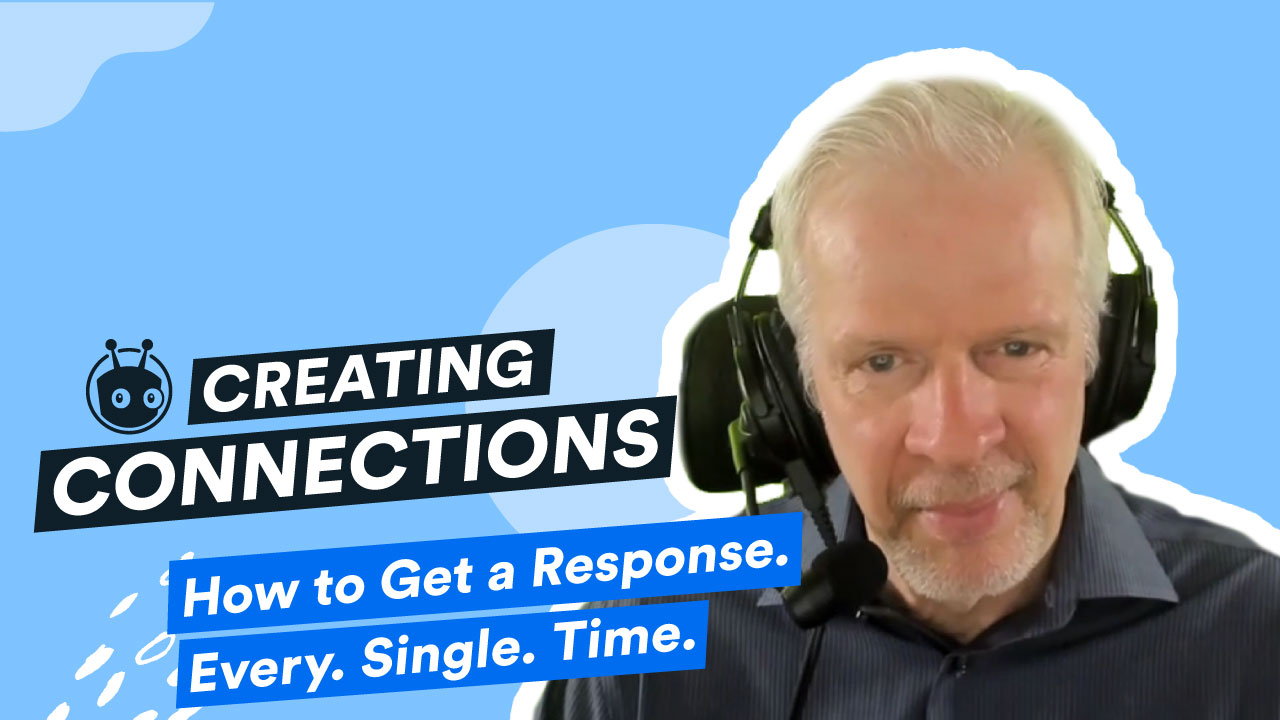
This episode of our video podcast, Creating Connections, is an example of a remote interview. In our video podcast blog post, find out more about how we did it.
How to Make an Interview Video
1. Define Your Purpose
Define your purpose. Explain a complex topic, gain brand awareness, or lead a movement within your industry. Narrowing down your purpose will help you make all the other decisions to come.
2. Choose the Right Interviewee
Pick someone who will represent your purpose.
If your purpose is education, you might choose a subject matter expert to explain a complex topic. To share a success story about a recent event, choose someone directly involved, like a product manager or event organizer. If you’re looking to lead a movement, choose industry thought leaders.
No matter who you choose, make sure they are well-spoken, confident, and able to speak to your purpose.
3. Do Your Research
As the interviewer, a good grasp on the subject matter will help you feel confident that you are asking intelligent questions. It will also help you rephrase the question or add context when necessary.
4. Kinds of Questions to Ask in a Video Interview
Interviews can take unexpected turns, so prepare questions in advance. This will guide your interview and ensure you don’t forget any key information. Consider the following as a guideline if you’re wondering what kind of questions are asked in a video interview.
- Avoid asking “yes” or “no” questions. They aren’t going to provide any value for your viewer.
- Use warm-up questions to break the ice. Things like name, about the company, and role.
- Make sure they’re relevant. For example, if you’re trying to get over the objection of your product being hard to use, you could ask a client, “How easy was it for you to get up and running with our product.”
- Specific questions will yield specific answers. Prompt your interviewee to provide concrete examples or answers. For example, “What are three ways you have developed stronger relationships with your customers?”
- Follow up with follow-up questions. If your interviewee doesn’t provide a clear or concise answer to your question, ask them to clarify further or try to reframe it.
- End with a ‘final thoughts’ question. After you’ve completed your questions, ask your interviewee if they have any final thoughts or would like to share anything else—sometimes, the best soundbites come after the main interview has concluded.
Once you have a list of questions, order them in a cohesive flow. Start out with some easy ones (Who are you? What do you do?) and then move on to the more in-depth ones (How did this affect your business? What are your plans for the future?).
5. Choose the Right Setting
Here’s a tip: don’t shoot an interview in front of a beige wall unless you’re trying to bore your viewers to death! The location and what appears in the background will affect the tone of your video.
If you have an in-house video studio, take the time to design and decorate your set. Include branded design elements where appropriate and give thought to what appears in the background (what film nerds and French people call the mise-en-scene).
If you are shooting on location, choose a spot that says something about your subject. For example, shoot in their studio if you’re interviewing a music producer. At times when you have less control, like at a conference, find a spot outside, or at the very least, somewhere interesting, with good lighting.
6. Light Your Subject
Speaking of lighting… Have your subject face natural light, or use a three-point lighting system. For more information on lighting, head to our Video Production Guide.
7. Test Your Sound
Whether you are using a Lavalier mic or a USB mic for a remote interview, make sure to test your sound. Bring some good headphones to isolate the recorded sound from the in-room sound.
Be careful of clothing rustling up against the mic and popping p’s. Interviews are mostly about the spoken word, so the sound is important.
8. Make Magic Happen in Editing
Edit together the best parts of the interview and create a flow from question to question. It’s ok to leave footage on the cutting room floor if it’s not serving your video’s main purpose or goal.
This is where you can get creative. Add music, visuals, on-screen text (like a lower third with the subject’s name and title), and anything else to make this interview shine.
Interview Video Best Practices
Go Off Book
To get the best on-camera performance, it’s best not to let your interviewee follow a script. One way to avoid this is to withhold the questions from your guest. You can send them an overview in advance but hold on to the exact questions until the day of. If your guest’s answers sound robotic or rehearsed, try rephrasing the question to get the same answer in a different way.
Warm-Up
Wondering how to interview someone on camera? Warming them up is key. Before you even turn the camera on, make your guest feel comfortable! A little small talk can go a long way. Your interviewee will be more relaxed on camera, and the answers will flow in a more natural way. Small comforts like water and snacks on set will also help your guest feel at ease on camera.
Use B-Roll
B-roll is the term used to describe any footage outside of the interview. It adds visual interest, illustrates the subject matter, and helps the editor make smoother transitions. The B-roll also includes product shots, visual aids like graphs and charts, and even text on the screen. You might insert the questions as text on the screen between each answer.
Take a Breather
Avoid run-on sentences by asking your guests to pause before switching subjects or changing the topic to make it easier in the editing room. You might need to ask them to repeat a specific part of their answer if you detect the crash of two trains of thought.
Record Room Tone
Literally, room tone is the natural sound in a room, and recording it can be a lifesaver—especially if you’re shooting an interview in a public space. Even in a swanky studio, unexpected noises might arise. Room tone can neutralize these sounds by creating a bath of white noise under your main audio track.

Vidyard Hosting makes it easy to leverage the power of video across your business.
This post was originally published on January 15, 2020. It was updated on February 10, 2021.